A delayed shipment can affect far more than a delivery date. For a resort awaiting replacement equipment, a retailer planning for peak demand, or a construction project working around weather and vessel schedules, the choice between air cargo versus sea cargo can influence cost, continuity, and customer confidence. The right mode is rarely the fastest or the least expensive option in isolation. It is the option that protects the wider operation.
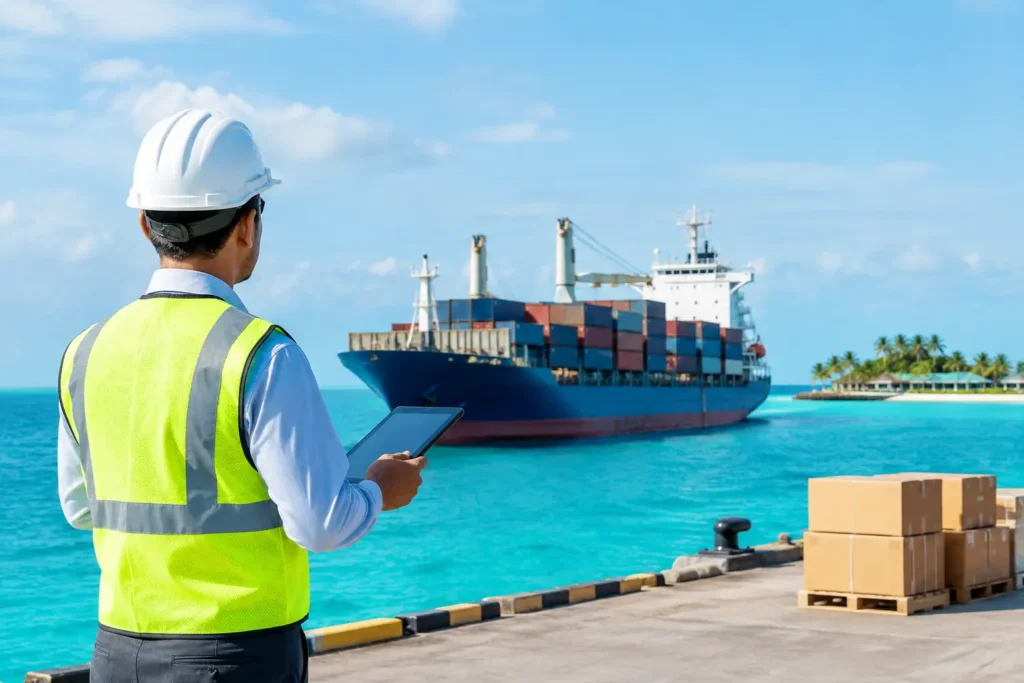
For businesses serving the Maldives and other island markets, freight planning also has an added layer of complexity. Cargo must connect reliably through international gateways, clear customs correctly, and often move onward to a specific island. That makes a disciplined decision at the point of booking especially valuable.
Air Cargo Versus Sea Cargo: The Core Difference
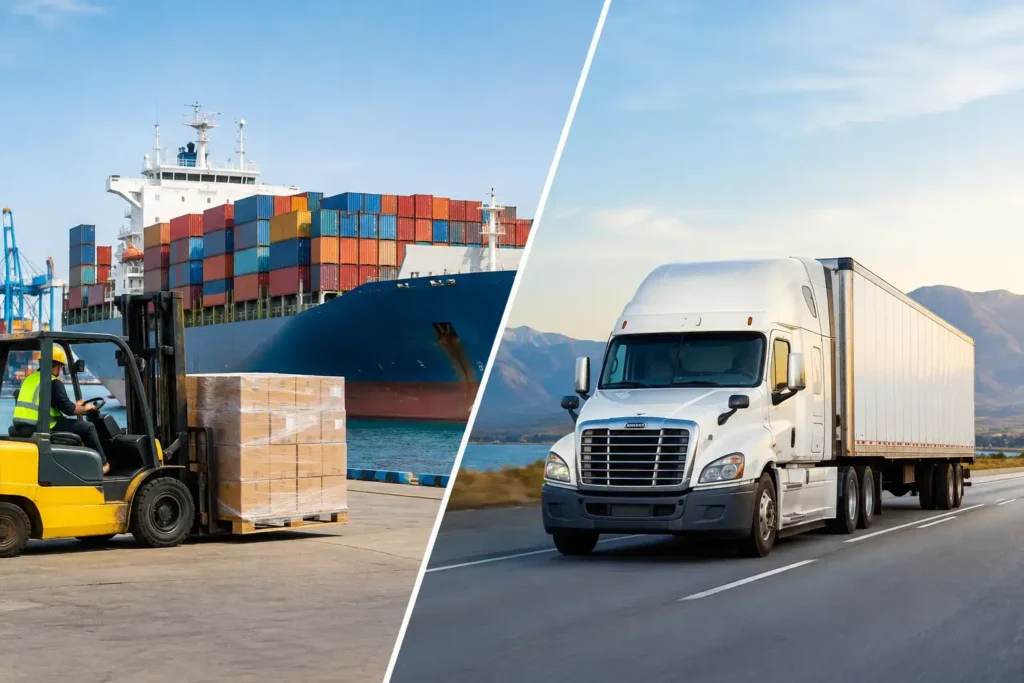
Air cargo moves goods through airline networks and is designed for speed, security, and predictable handling. Sea cargo moves goods in containers or as consolidated shipments through ocean carriers, offering considerably greater volume capacity at a lower cost per unit. Both are essential to international trade. Their value depends on what is being shipped, when it is required, and what disruption would cost the business.
Air freight is generally measured by chargeable weight, which considers both actual weight and the space a shipment occupies. This can make large, lightweight goods unexpectedly expensive to fly. Sea freight is commonly priced by container size, cubic volume, or weight for consolidated cargo. It is often better suited to dense, bulky, or high-volume goods that can tolerate a longer transit window.
Transit time is the most visible distinction, but it should not be the only one. A shipment that spends two days in the air can still be delayed by documentation errors, cargo cutoffs, inspections, or missed domestic connections. Similarly, a sea shipment may have a longer planned transit but provide dependable replenishment when ordered well ahead of need.
When Air Cargo Makes Business Sense
Air cargo is most appropriate when time has direct commercial value. Perishable food products, urgent medical supplies, critical vessel spares, samples, high-value electronics, and products needed for a specific event or opening are common examples. In these cases, the cost of stockouts, downtime, spoilage, or a missed deadline may exceed the higher freight charge.
Consider a resort that needs a replacement component for essential machinery. Waiting several weeks for sea freight could affect guest services, maintenance schedules, or operating revenue. Air freight may cost more upfront, but it can reduce the total cost of the disruption. The same logic applies to healthcare providers that need temperature-sensitive supplies and fisheries exporters moving products where freshness determines market value.
Air freight can also support a more responsive inventory model. Businesses may hold lower quantities of selected high-value items and replenish them quickly as demand changes. This approach requires accurate forecasting and clear supplier coordination. It should not become a substitute for planning, because repeated emergency air shipments can steadily erode margins.
Reliability matters here, but it needs to be assessed realistically. Airline schedules are frequent on major routes, yet capacity can tighten during holidays, peak travel periods, or global disruptions. Sensitive cargo may require specialized packaging, temperature control, and close monitoring from origin through delivery. Booking early and submitting complete documents remain essential.
When Sea Cargo Delivers Better Value
Sea cargo is usually the commercial choice for regular replenishment, large orders, construction materials, furniture, equipment, dry goods, and non-urgent stock. Its greatest advantage is scale. A container can carry substantial volume at a freight cost that is often far lower per unit than air transport.
For importers supplying retail stores, hotels, industrial operations, or island communities, sea freight enables planned purchasing and steadier landed costs. It is also the practical mode for goods that are too heavy, oversized, or expensive to move by air. Project cargo, machinery, vehicles, and building materials commonly require specialized sea transport and experienced coordination at the port.
The trade-off is time. Ocean freight schedules, port congestion, transshipment connections, weather conditions, and final island distribution all need to be incorporated into the purchasing calendar. A sea shipment that is booked only when stock is nearly exhausted is not a low-cost solution. It becomes an operational risk.
Sea cargo also requires careful attention to packing and container selection. Goods may experience humidity, movement, and longer handling cycles. Appropriate pallets, moisture protection, securing methods, and cargo insurance help protect shipment quality. For less-than-container-load shipments, consolidation can offer savings, though cargo owners should account for consolidation and deconsolidation time in the overall schedule.
Cost Is More Than the Freight Rate
Comparing quotations only by the headline rate can lead to the wrong decision. The true comparison is the total landed cost and the commercial impact of each option. That includes origin handling, customs brokerage, duties and taxes where applicable, destination charges, storage risk, domestic delivery, packaging, insurance, and the cost of inventory held in transit.
Air freight may carry a higher transport charge while reducing inventory exposure and avoiding lost sales. Sea freight may offer lower transportation cost while requiring larger order quantities, more warehouse space, and earlier capital commitment. Neither model is automatically more economical.
Businesses should also calculate the cost of failure. What happens if a spare part arrives late? Can a substitute be sourced locally? Will a production line, vessel, clinic, restaurant, or resort operation be affected? These questions turn a freight choice from a purchasing exercise into a supply-chain decision.
Build the Decision Around the Cargo
The shipment itself provides many of the answers. Start with urgency, dimensions, weight, value, shelf life, and handling requirements. Then consider whether the goods are regulated, hazardous, temperature-sensitive, fragile, or oversized. Each of these factors can change the available transport options and the documentation required.
A practical freight plan also considers the delivery promise made to the final customer. If an importer has committed to a launch date, room opening, maintenance shutdown, or event, the cargo plan should include a contingency margin. It is safer to use sea freight for the base requirement and reserve air freight for genuine exceptions than to depend on last-minute bookings as a routine method.
For recurring imports, a blended model is often the strongest option. Sea freight carries predictable, high-volume stock, while air freight covers urgent replenishment, high-value lines, and unexpected shortfalls. This reduces overall logistics spending without leaving the business exposed when conditions change.
Documentation and Local Execution Matter
A well-chosen freight mode can still fail if paperwork is incomplete. Commercial invoices, packing lists, airway bills or bills of lading, permits, certificates, and customs declarations must match the cargo and transaction details. Inaccurate descriptions, incorrect values, or missing approvals can create avoidable holds at the border.
For island distribution, the final leg deserves the same attention as the international movement. Cargo may need warehouse handling, customs clearance, controlled storage, port coordination, or onward delivery by vessel. A freight partner with global carrier access and local operational knowledge can coordinate these points as one connected movement rather than a series of handoffs.
Centurion PLC supports this approach through freight forwarding, customs brokerage, perishable handling, project cargo, warehousing, and distribution capabilities that reflect the realities of an island-based economy. The objective is not simply to move a shipment, but to help cargo arrive in the condition, timeframe, and location the operation requires.
Choose the Mode That Protects the Operation
The most effective decision between air and sea freight begins before the purchase order is placed. Align suppliers, inventory targets, shipment deadlines, and customs requirements early. Review demand patterns after each cycle, especially where urgent freight has become frequent, because repeated exceptions often reveal a planning gap.
Air cargo is the right answer when speed protects revenue, safety, freshness, or continuity. Sea cargo is the right answer when volume, cost control, and predictable replenishment lead the requirement. When both are planned together, freight becomes a tool for resilience rather than a last-minute response to pressure.